Accounting as a discipline at the University of Melbourne started with a pragmatic, survive-on-a-shoestring approach, and has morphed over a century to become one of the Faculty’s most stable pillars.
Training for a burgeoning industry
Within the Faculty of Commerce’s first-ever cohort in 1925, around 60 students studied Accounting 1.
The establishment of the Diploma and Bachelor of Commerce were a significant change to the education of accountants in Australia, as all qualifications prior had been handled by three industry bodies that oversaw an individual’s admittance to the profession.
Of the cohort who studied Accounting 1, seven were women. Their eagerness was understandable: the University of Melbourne was the only option for women wanting to study accounting at a tertiary level in Victoria.
Pioneers across the country
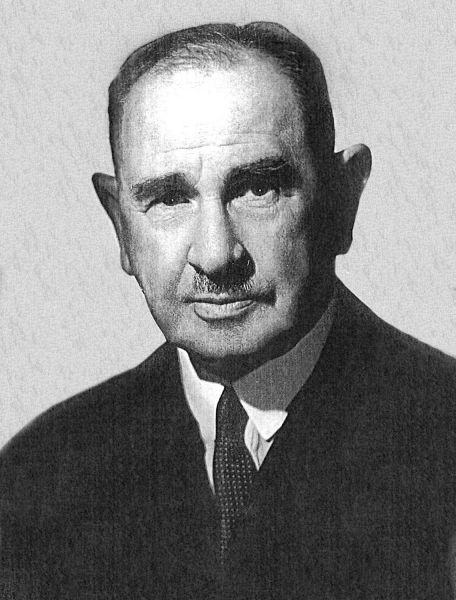
In those earliest days, the discipline was led by Edwin Nixon, an esteemed accountant who had already garnered a reputation in Melbourne’s business world. Nixon was supported by Adolf Alexander (Alec) Fitzgerald*, who had himself enrolled as a student in the Bachelor of Commerce in 1925, while simultaneously agreeing to lecture in accounting part-time. The well-respected Fitzgerald was among those who represented the accounting profession in negotiations with Sir Douglas Copland while the latter was planning the establishment of the Faculty.
Accounting on the home front
A steady increase in students and part-time staff continued, and the start of World War II tested the department and the Faculty, as many staff managed obligations towards the war effort while still teaching.
Former Head of Accounting Geoff Burrows, who has detailed the history of the University’s Accounting Department in his book Promise Fulfilled, says owing to the nature of the war, students who had nearly finished their degrees couldn’t enlist.
“Every university student within one year of completing their degree was not allowed to enlist, so University teaching had to keep on.”
“It was important to keep the tap of qualified people running.”
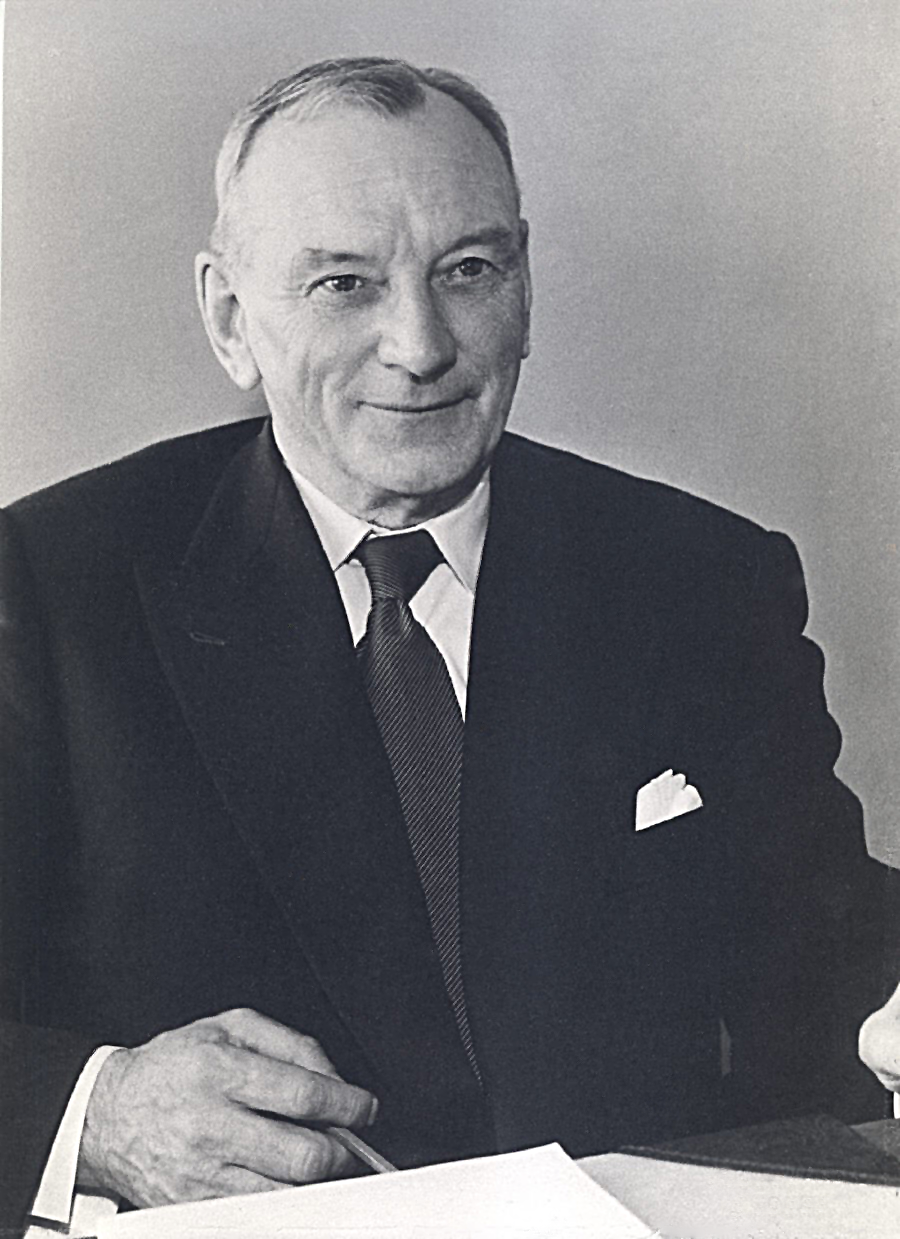
In 1940, Sir Alec Fitzgerald established what is now labelled the CPA Australia – University of Melbourne Annual Research Lecture. This lecture is acknowledged as the longest-running continuous annual lecture at the University, as well as the world’s longest running research lecture in accounting.
The changing face of Australian accountancy
The demographics among students changed considerably after the war. Many of these new students were returning from service overseas. Their classes would have been particularly jarring as many lessons were held in ex-army Nissen huts on campus, which were small prefabricated buildings made of corrugated metal.
“There wasn’t enough space in the University,” Burrows explains.
The era of learning in Nissen huts continued until the late 1950s.
"My Accounting 1 tutes were held in a Nissen hut in 1959," he recalls.
Sir Alec defines a new department
In 1954, Alec Fitzgerald was appointed to the newly established GL Wood Chair of Accounting and became the inaugural head of the Department of Accounting.
Knighted in 1955, Sir Alec Fitzgerald continued in this leadership for three years before his retirement in February of 1958, which forced the department to shift its long-held structure that relied on a select few dedicated staff teaching an enormous proportion of students.
Fitzgerald retained the chairmanship of the Commonwealth Grant Commission until 1960.
Modernity brings change
One of the fastest changes emerged with the advent of technology. While a few individuals within the department dabbled with computers and punch cards throughout the 50s and 60s, the biggest change came in 1980 when computing was added to the syllabus.
Many of the department’s established lecturers had to attend classes in COBOL programming themselves during the week in order to help their technologically advanced colleagues keep abreast of students’ work.
Throughout the first half of the century, those in the accounting discipline had often been responsible for organisation of the teaching of business law within the Bachelor of Commerce. This returned in 1984, when Accounting merged with the Legal Studies Department to fully encapsulate business law. That year, it also introduced a Master of Commerce specialising in Finance.
In 1991, the Business Law discipline was hived off into a separate unit, leaving a department now deemed the Department of Accounting and Finance. By 1999, diverging subject matters and swelling staff numbers in Accounting and Finance meant the two departments split, a differentiation that continues today.
Into the present
With his long tenure as part of the Department of Accounting, Geoff Burrows reflects that the department has undergone significant changes, particularly in its staffing and student demographics. Initially characterised by a local and older student body, the department now reflects a diverse, international profile.
Burrows says this transformation includes an influx of high-profile international staff who contribute to honours and postgraduate programs, enhancing the overall quality of education.
*Fitzgerald preferred 'Alec' to 'Alex', according to Geoff Burrows, who was made aware of the nickname after he published Promise Fulfilled.
More stories
-
FBE public lectures
The Faculty of Business and Economics hosts a series of annual public lectures, supported by generous donors, that celebrate the influential legacies of distinguished figures in economics, public policy, and industrial relations, fostering rich discussions and community engagement.
-
Influence and enrichment: Celebrating FBE contributors
Emeritus Professor Ross William's book 100 Contributors over 100 Years highlights the influential figures who have shaped FBE, showcasing their remarkable contributions to teaching, research, and leadership over the past century.
-
Founding of the Faculty
The University of Melbourne has a rich history in economics education, with roots dating back to 1855 when political economy was part of the Bachelor of Arts curriculum, evolving into the establishment of the Faculty of Commerce in 1924 under the leadership of Founding Dean Sir Douglas Copland, amidst both academic and industry debates about the role of commerce in higher education.
-
Pragmatic, convivial and efficient: The history of the Department of Accounting
Accounting at the University of Melbourne has evolved from its modest beginning in 1925, with just 60 students, to a prominent and diverse discipline recognised for its stability, innovation, and significant contributions to the accounting profession.