The Melbourne Institute and the Faculty of Business and Economics will continue their relationship with the Department of Social Services to deliver the HILDA survey until 2029.
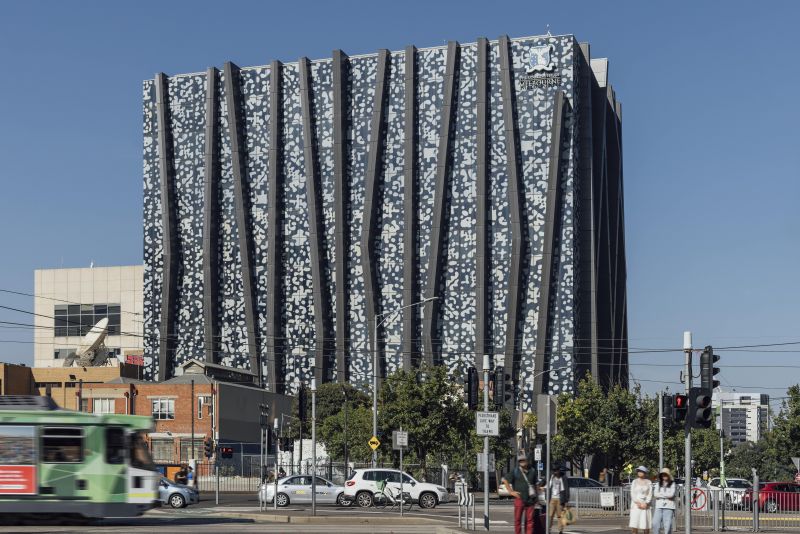
The University of Melbourne has been awarded a contract with the Department of Social Services to continue delivering the Household, Income and Labour Dynamics in Australia (HILDA) Survey.
The Melbourne Institute of Applied Economic and Social Research has managed the study on behalf of the University and the Department since the project started in 2001.
“We’re very pleased to be able to continue delivering HILDA and building the University of Melbourne’s relationship with the Department of Social Services until at least 2029," survey co-director Professor Roger Wilkins.
“The HILDA survey is the only longitudinal study of its kind in the country, providing unique data on the lives of Australian residents and helping to inform policy in ways not possible with any other data source."
Every year, the survey asks the same 16,000 Australians questions covering different aspects of their lives, including household and family relationships, childcare, employment, income, expenditure, health and wellbeing and education.
The newly entered contract includes the delivery of Survey Waves 26-29 of the survey.
Following a competitive tender process, Vice-Chancellor Professor Emma Johnston AO signed the agreement of behalf of the University on 27 June, which was then countersigned by the Department of Social Services.
“HILDA is widely recognised as one of the top 4 household panel datasets in the world, thanks to the team at the University of Melbourne, and we will ensure it remains so,” said Director of the Melbourne Institute, Professor Beth Webster.