In November 2024, I had the immense privilege and honour of attending the 2024 United Nations Climate Change Conference or ‘Conference of the Parties of the UNFCCC’, more commonly known as ‘COP29’, in Baku, Azerbaijan as a Global Voices Fellow on a scholarship position funded by the Faculty of Business and Economics at the University of Melbourne.
Since returning home from COP29 in Baku, Azerbaijan where I attended as a delegate part of the Global Voices Policy Fellowship, I have reflected on the experience; a unique and special opportunity to be in the room where key decisions are made on the international stage and what I have learned.
The 2024 COP has been criticized as “unproductive” and failing to deliver bold agreements, yet such critiques oversimplify the intricate reality of a conference that brings together 83,000 participants from nearly 200 nations. Yes, there were delays, disagreements and disappointments, but this is the nature of global diplomacy at such a scale. To dismiss it entirely overlooks the meaningful progress achieved amidst the challenges.
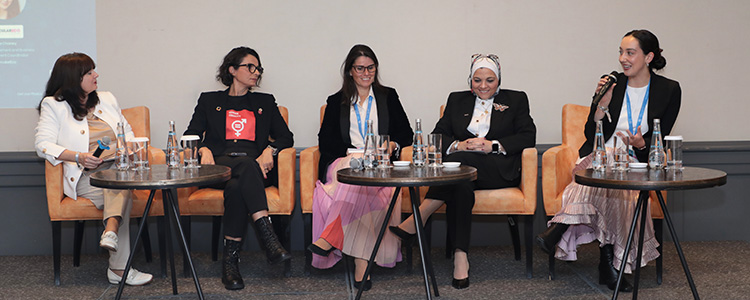
I am an optimist at heart and I think it’s worth noting some achievements from this year’s COP:
- New global target for climate finance – the core of the new collective quantified goal (NCQG), was set to invest $300 billion a year for developing countries by 2035, with all actors scaling up funds from all public and private sources to at least $1.3 trillion by 2035.
- Progress was made on operationalising and establishing a global framework for carbon markets.
- Procedures were clarified for countries to authorise carbon credit transactions and manage to track registers, ensuring greater environmental integrity through transparent technical reviews.
- Introduction of mandatory safeguards to protect the environment and human rights, including obtaining informed consent from Indigenous Peoples.
Australia is criticised as being weak on climate change and although I agree we must do more, I was impressed with the Australian negotiators’ conduct throughout COP and the important role we play as a balanced, rational and collegiate middle power in international negotiations. I was fortunate to shadow one of the Department of Climate Change, Energy, the Environment and Water’s (DCCEEEW) negotiators, Hugh Tuck and was taken aback by the complexity and intricacy of these negotiations, sometimes spending hours arguing over one single word in the texts of the agreements.
Of course, there is more work that needs to be done. For example:

- We need consensus on a fossil fuel phase-out. At home, I am writing my policy paper on reform to the fuel tax credit system to phase out our critical mineral mining industry’s dependency on fossil fuels and incentivise electrification.
- Adequate climate finance – we need developed nations to fulfil and exceed their pledges for climate finance to ensure developing nations and those most vulnerable to the effects of climate change can mitigate against it effectively.
- Strengthening Nationally Determined Contributions (NDCs). In 2025, at COP30 in Brazil, nations must submit more ambitious NDCs to keep global warming averages below 1.5 degrees Celsius and to transition to renewable energy sources.
Above all, my key takeaway is this: young people belong at COP, and we must have a seat at the table. Climate change is the defining issue of our generation, and our presence at forums like COP is not only necessary but also transformative. When we observe, contribute and learn, we bring momentum back to our communities, turning ideas into action for the preservation of our shared future.
Although international conferences such as COP are frustratingly stagnant at times, problems like climate change affect us all and do not discriminate based on nationality. It is a global issue that requires global solutions and these fora, although flawed, are the best opportunity we have as one planet, to try to get a consensus on how we can best tackle these issues. Not every decision and agreement reached at COP will be the magic silver bullet, but with patience, persistence and a bit of hope, we are getting somewhere.
Thank you to Global Voices, the University of Melbourne, DCCEEEW, and my fellow delegates for making this opportunity possible. It was an honour to experience this incredible phenomenon alongside such passionate and inspiring individuals.