What a year of working together is worth: How Team Hydrogen won the 2026 MBS Case Competition
By Caroline Frassa, Filly Khusna and Hana Christy
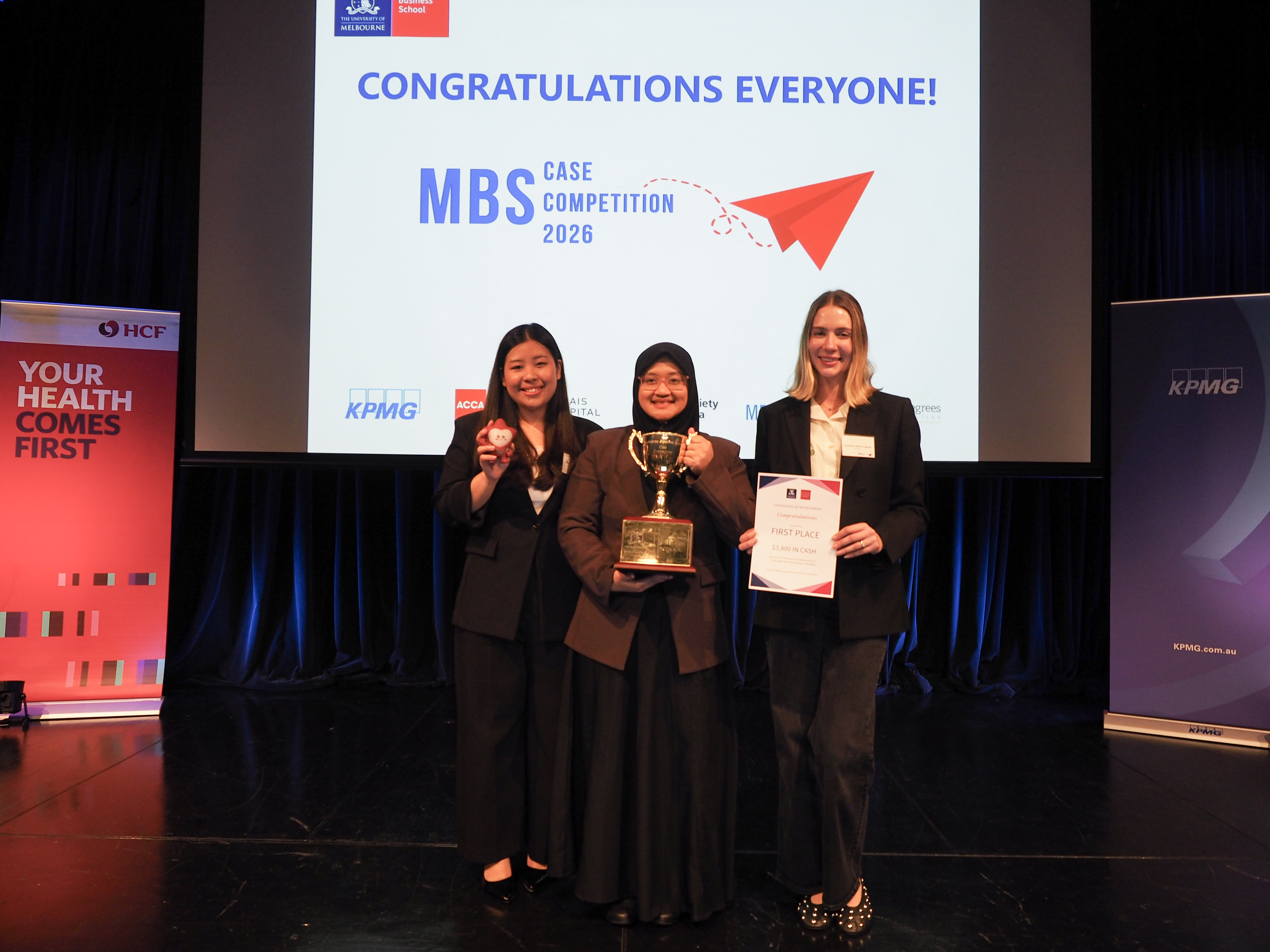
Three Master of Entrepeneurship students from opposite sides of the world joined together to tackle the 2026 MBS Case Competition, taking out first place with OLI, their mascot. We spoke with Caroline, Filly, and Hana about their journey from classmates to case champions.
How did your team form?
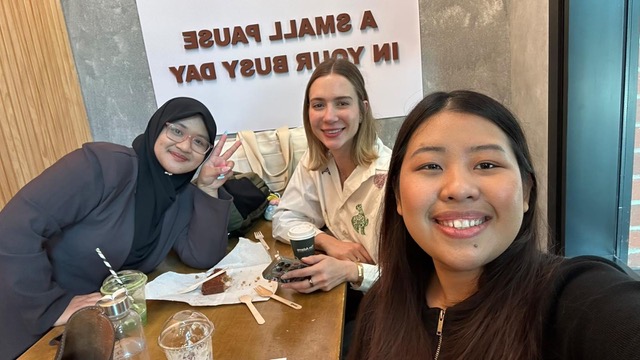
We are all part of the same Master of Entrepreneurship cohort. We have been doing group assignments together since the beginning of the course, so by the time this competition came around, we already knew how each other worked. Three people from three different backgrounds, from opposite sides of the world, who happen to think differently in useful ways.
Why did you choose to participate?
We wanted to put everything to the test: Our own backgrounds, and what we had been learning together. A real brief from a real company is a different kind of pressure to an assignment. You get ten minutes in front of people who run the business you are advising, and then ten minutes of them testing whether you understood it.
Briefly describe the case challenge.
HCF, Australia’s largest not-for-profit health insurer, enters the Overseas Student Health Cover (OSHC) market in November 2026. Five insurers already hold almost all of the market share. The product is set by government, the price is tightly regulated, and from July 2026, a commission cap limits what any insurer can pay an agent.
So, the brief was not how to build a better policy. It was how a brand that international students have never heard of becomes the one they are glad they chose.
What was the most challenging part of putting the presentation together?
Getting the message across in the clearest possible way. We had a twelve-month roadmap, a risk register, a channel strategy and a financial model, and ten minutes to present it. Making the slides clean yet effective was the hardest thing we did.
We eventually worked out that the slides could carry the detail, and we had to carry the meaning. Once we stopped reading numbers that were already on screen, the whole presentation got shorter and better.
What areas of research did you find most interesting?
The gap between what students are covered for, and what they know they are covered for. Half of international students have avoided seeing a doctor because they were worried about the cost, despite all of them being insured at the time. Six in ten want mental health support and fewer than four in ten realise it is already in their policy.
What we kept running into was the language barrier. ‘Bulk billing’; ‘gap’; ‘referral’; and ‘not-for-profit'. These words are meaningless to someone who arrived three weeks ago. That became the centre of our strategy. We stopped saying ‘not-for-profit'and instead said, ‘From You To You’, because “your premiums come back to you” is a sentence anybody can understand.
What skills and techniques did you rely on?
Research and analysis to get the numbers defensible, because we knew the judges would test them. But the thing that shaped our work most was approachability. We wanted every part of the experience to feel easy for the target audience (students)we were designing for, so we built an AI chat , a smooth app journey, and a character to connect with.
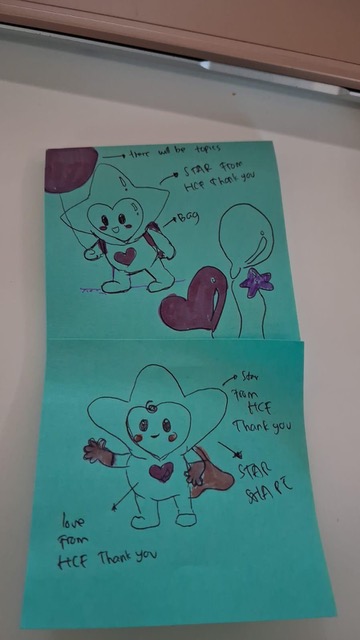
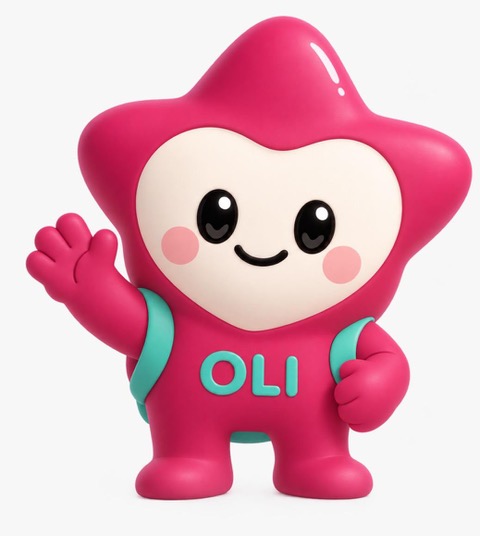
That character is OLI, and he mattered more than we expected. The moment the strategy became something you could look at, it stopped being a deck and started being a product.
How did the competition and sponsors support you?
The workshops through the competition made a real difference, particularly those run by 180 Degrees Consulting and KPMG. The rewards from the sponsors went further than we expected too, including the Toastmasters program with Frais Capital and the ACCA accounting conference. Several of those sessions changed how we presented, not just what we presented.
Any key takeaways from the judges?
The judges highlighted that our strategy and approach to the customer felt fresh and relevant, and that our plan was clear, straightforward, and to the point. Beyond the positive feedback, we also valued their constructive insights as an opportunity to challenge our assumptions, identify blind spots, and further refine our proposed strategy. This experience reinforced the importance of balancing clarity and creativity with an openness to feedback and continuous improvement.
What advice would you give other students considering participating in a case competition?
Do it. You learn so much, in more ways than you expect. Some of it is strategy and analysis. A lot of it is handling pressure while juggling everything else you have on, and building the emotional intelligence to cope with the anxiety of public speaking.
Never underestimate the power of a brainstorm either, especially in the moments when you do not feel creative.
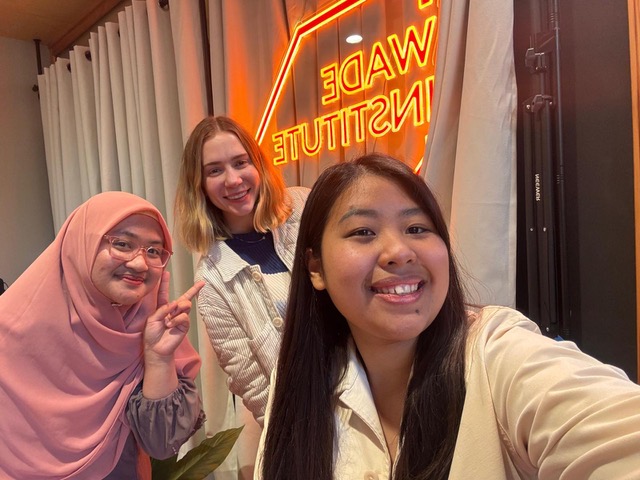
Memorable moments?
We hand-painted OLI with Filly’s daughter’s paint set, bringing our mascot to life. The paint was transferring a bit, and it is still the thing that makes us laugh most.
We walked onto the final stage to the tune of ‘Run the World’ by Beyoncé. Three women from three different backgrounds - It felt right.
Our fuel was the Ormond cafeteria, which has a certain Hogwarts quality to it, and which saw more of our strategy debates than any seminar room did.
Has this changed your confidence?
It was a real boost, and confirmed that each of us is heading in the right direction with what we are already building. Being told by senior industry leaders that our strategies held up will stay with us.
What will you carry into future team projects?
Firstly, that the best work came from the moments when we were least sure of ourselves. Every time one of us said, “I do not think this is working”, the next version was better.
Additionally, a strategy people can see beats a strategy people have to be told about. OLI started as a sketch nobody asked for. By the end, he was the whole argument.
Where do you see yourself in the next two years? How has the experience shaped your career goals?
As we all come from entrepreneurial backgrounds, our long-term goal is to build and grow ventures in industries that we are passionate about. This experience has strengthened our ability to identify opportunities, anticipate challenges, and develop strategies that are well suited to different business conditions. It has also encouraged us to become more adaptable, creative, and resilient when facing uncertainty. We believe these skills will be valuable as we continue developing our own ventures and navigating the challenges of entrepreneurship in the future.
Are you a business interested in getting involved in the MBS Case Competition? Please email us to discuss how we can work together.
Are you a Melbourne Business School student wanting to participate in the next MBS Case Competition? Learn more.