In 2025, two MMI project teams, supported by the Faculty of Business and Economics, travelled to Indonesia and Laos to turn a year of research into action. The experiences were challenging, rewarding, and at times surprising, leaving students with a deeper understanding of what their work means for people on the ground.
Every year, students join the Melbourne Microfinance Initiative (MMI) wanting to gain hands-on experience in development and financial inclusion. What many discover is that the lessons learned in the classroom quickly transform into tangible impacts on real communities.
A closer look at financial inclusion in Indonesia
In July, Naomi Sitompul and co-leader Grant Slark led a team to Indonesia to work with the Ministry of Finance on digitising Pembiayaan Ultra Mikro (UMi), a national program aimed at improving financial access for ultra-micro entrepreneurs. Rather than simply validating assumptions, the team focused on understanding the practical realities shaping how borrowers engage with financial services.
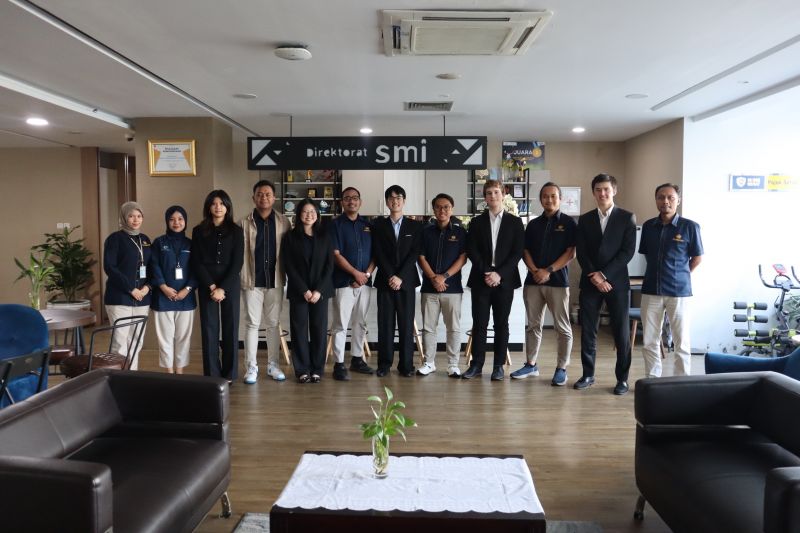
Visiting 30 UMi borrowers across Bandung and Yogyakarta, the team observed daily routines, business environments, and interactions with group leaders and lending officers. Reflecting on her experience, Naomi said that meeting borrowers face to face reminded them that financial inclusion is not just about technology; it is about trust, familiarity, and the everyday realities of the people using these services.
The team discovered a wide range of readiness for digital financial tools. While most borrowers owned smartphones, concerns about security, administrative complexity, and experiences with informal online lenders made some hesitant. Others were enthusiastic about digital services but faced limitations such as cash-based businesses or unreliable banking infrastructure. These insights highlighted the importance of designing financial inclusion initiatives that align with the lived experiences of communities.
Beyond research, the trip offered Naomi and Grant valuable professional development, from stakeholder consultation and policy interpretation to hands-on fieldwork, reinforcing their passion for creating meaningful financial solutions.
Connecting Climate, Agriculture, and Microfinance in Laos
Meanwhile, Christoph Grant and co-leader Renat Khafizov travelled to Laos to support Ekphatthana Deposit Taking Microfinance Institution (EMI) in implementing environmental risk management strategies, a framework that helps understand how climate impacts borrower livelihoods.
Christoph shared that although they had prepared extensively, they quickly realized that a project of this scale required more than technical skills. It demanded clear communication, cultural sensitivity, and adaptability. Working closely with EMI staff, agricultural experts, and local lending institutions, the team explored how environmental risks directly affect borrowers’ lives.
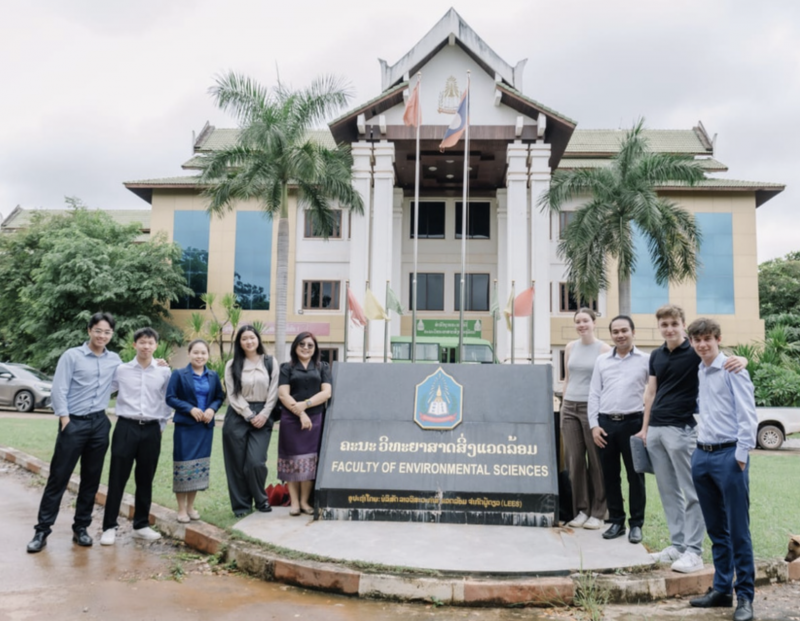
A highlight of the trip was meeting representatives from the Australian Embassy in Laos, where discussions connected microfinance, climate risk, and regional development policy. The experience strengthened the students’ leadership, cross-cultural communication, and problem-solving skills, while deepening their understanding of how microfinance can support resilience among communities facing environmental and economic uncertainty.
Looking Forward
Across both projects, MMI students gained confidence in working with diverse teams, navigating unfamiliar environments, and adapting when things did not go according to plan. They experienced first-hand how academic learning can translate into real-world impact.
For students, joining MMI offers more than networking; it provides the chance to work on meaningful challenges, apply skills from the Faculty of Business and Economics, and contribute to initiatives that truly matter. As these journeys show, ideas don’t stay in the classroom - they change lives.
Learn more about MMI by visiting Melbourne Microfinance Initiative to explore projects, case competitions, professional opportunities, events and connect with networks of students and organisations driving social impact.