
Lessons in True Grit
Master of Entrepreneurship alum Sarah Agboola built a million-dollar nanny service from scratch, weathered its COVID closure, and emerged stronger – with invaluable insights into failure, resilience and founder wellbeing.
When Sarah Agboola first heard about University of Melbourne’s Master of Entrepreneurship (MoE) program, she was on course to become a lawyer. A startup event run by Wade Institute in 2015, however, changed everything. At the three-day “hackathon”, Sarah learned the basics of entrepreneurial thinking – validation, lean process, customer interviews – and had fun doing it. She was sold.
Sarah joined the inaugural MoE cohort in 2016 – a life-changing move that has empowered her with an enduring can-do attitude. More than anything, she acquired an entrepreneurial mindset. “The biggest takeaway was probably just how important it is to just start – it doesn’t matter so much if you don’t know all the pieces,” says Sarah. That give-it-a-crack mentality has shaped every aspect of her life since, including her current role at a space tech company despite having no aerospace background.
During the MoE program, Sarah began developing mtime, a service matching busy parents with in-home family assistants. The idea was inspired by her own teenage experience watching her mother struggle as a single parent after her father’s death. “Who's looking after the parents?” became the driving question behind her venture.
Starting with just $3000 in savings, Sarah bootstrapped mtime for four years, living on $2000 a month. The business was always cash-flow positive, and it attracted more than $1 million in seed funding in 2021. The next year Sarah made the Forbes 30 Under 30 list for Asia!
Still, COVID-19 proved a formidable opponent. The shutdowns made home visits difficult, and Australia’s worker shortage was devastating for business. Before the pandemic, Sarah was hiring five to seven people every three weeks. Post-COVID, she managed to hire just five people in six months, and each one cost thousands of dollars. The business wasn’t sustainable anymore.
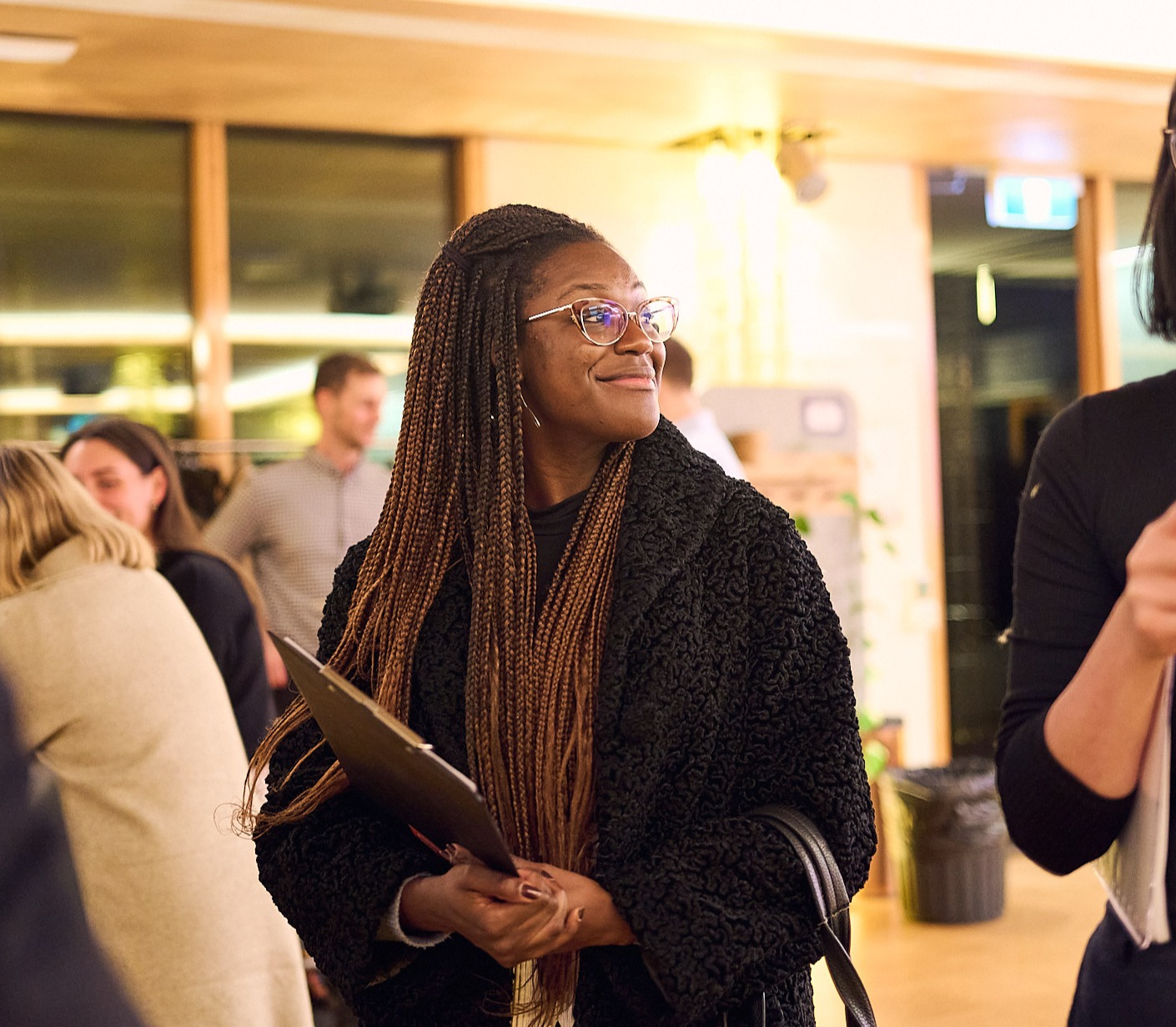
Having to close mtime in late 2023 was heartbreaking, and it took time to make peace with the seeming injustice of it. “I was very angry because there wasn’t a mistake or point of failure I could point to,” says Sarah, who fortunately had understanding investors. “The only lesson was that sometimes life isn't fair.”
Despite the disappointment, Sarah handled the shutdown thoughtfully, partnering with similar companies to ensure her staff found new jobs and customers received ongoing service. Stepping back from day-to-day operations gave her space to grieve and to rediscover herself beyond the business. “I was so tied to the business, and my identity was so formed around it,” she explains. “By the time I did make the call to close it, I'd had that space to be angry and grieve, and also to become myself again.”
The MoE equipped Sarah with the nimbleness to change tack and explore roles in the tech and beauty industries. “It’s that process of giving everything a go and learning how to ask the right questions,” she says. “Knowing that this is what will help you get through it.” The program, she notes, gives students a safe space to develop that entrepreneurial mindset: “There was structure but you still had that freedom to experiment.”
Sarah is now a big advocate for founder wellbeing. “It’s extremely lonely being a founder,” says Sarah, stressing the importance of connecting with other entrepreneurs and normalising failure. “The majority of us will fail. That’s why I’m always very transparent about the challenges. Why did it close? How did it feel? Because I haven’t really heard anybody else talk about that.” She advises aspiring founders to keep their perspective: “The business isn’t your life. Even if things go very well, it’s probably going to be a seven-to-10-year journey max.”
More than anything else, founders need grit, but launching a startup is “the most exciting, character-building adventure you could go on,” says Sarah. “Everything I was able to build gave me such a profile and so many opportunities.” You just have to take that first step.
The University of Melbourne’s Master of Entrepreneurship is designed to support the development of new businesses, products, services, or processes, creating value and generating new revenue growth through entrepreneurial thought and action. The program is co-delivered by the University of Melbourne and Wade Institute of Entrepreneurship.
Learn more
Master of Entrepreneurship Explore all our courses