Disability inclusion
University initiatives
Disability Inclusion Action Plan
The University Disability Inclusion Action Plan (DIAP) outlines a three-year program of activities seeking to reduce and remove barriers experienced by staff and students with disability or primary carers of people with disability. [staff login required]
Read about the Disability Inclusion Action Plan
University Disability Resource Hub
Looking for information on the services, supports and resources available to staff and students with disability? Access the University's Disability Resource Hub here.
Discover services and supports for students and staff with disability
UMSU Disabilities Department
UMSU Disabilities department provides a space for students living with or experiencing a disability (including mental health). This department helps students empower themselves through education via disabilities space, collectives, workshops, community events, and more.
Visit the UMSU Disabilities DepartmentFBE Disability Inclusion Student Reference Group
FBE is establishing a Disability Inclusion Student Reference Group and is inviting expressions of interest from students with lived experience of disability, chronic illness or neurodivergence, or students who support or care for someone with disability, who would like to contribute their perspectives.
Useful links
Web accessibility guides for students and staff
Detailed guidance on key considerations, including venue accessibility, communication needs, dietary requirements, and creating a welcoming environment for all attendees.
National disability rights, advocacy and representative organisation made up of, led and governed by people with disability
Disability service provider offering a range of services from therapy to accommodation support, communication support and research
National not-for-profit that helps organisations engage with people with disability
Training
Introduction to disability awareness
Disability Awareness Training describes the legislative framework supporting people with disability in Australia and aims to provide an overall understanding of why disability inclusion is important in the workplace. It also provides an insight into the challenges faced by people with disability and practical strategies to create awareness about the lived experiences of students and staff with disability.
Staff can enrol on TrainMe, and students can email the Student Equity and Disability Support Team to find out about study support and adjustments.
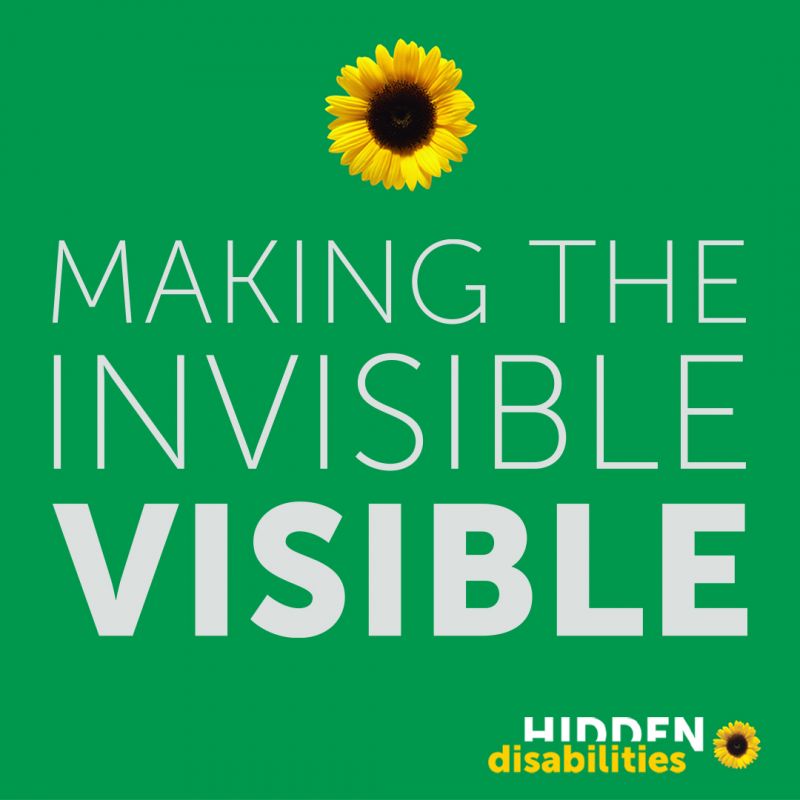
Understanding the Hidden Disabilities Sunflower initiative
In Australia and New Zealand, one in five people have some form of disability, with approximately 80-85% being non-visible. Hidden disabilities range from autism spectrum disorder, dementia, and brain injuries to mental health issues, intellectual disabilities, vision and hearing impairments, and chronic illnesses. Because hidden disabilities are not easily noticeable, those who have them often face misunderstanding, judgement and a lack of support. Raising awareness can help break down these barriers, encouraging empathy and creating more inclusive environments. By learning to recognise that someone may be struggling even when it isn’t obvious, we can foster a culture of understanding and respect.
This 7-minute video provides a comprehensive overview of the Hidden Disabilities Sunflower initiative. More information can be found at TrainMe.
Navigation: Log into TrainME, select Learning, select Course Catalog, search for "hidden disabilities".
Governance
The University's diversity and inclusion efforts are guided by comprehensive policies, strategies and action plans designed to create a more inclusive and equitable academic environment.
-
The Disability Inclusion Action Plan (DIAP) 2023–2026 reflects the University’s commitment to ensuring students, staff, and visitors with disabilities have access to the support, resources, and opportunities they need to thrive.